Chronicle Notes: Part I - Tortola
Historical research notes on 18th-century Tortola, coastal cartography, and the socio-political reality of the Whistler plantation
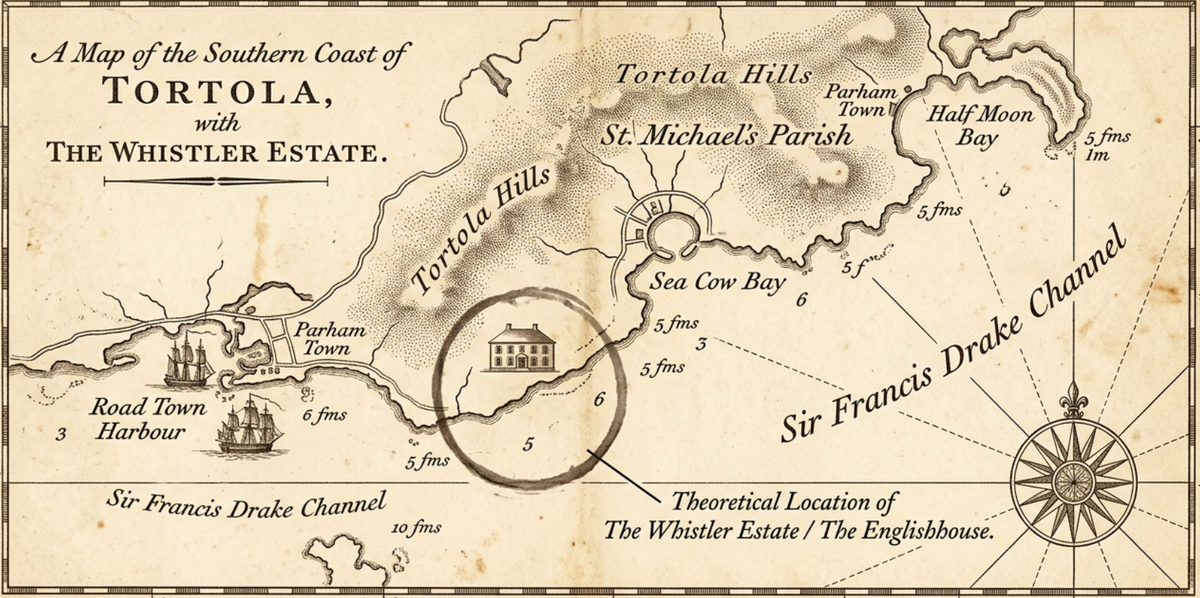
- Temporal Scope: Circa 1764–1780.
- The Setting: The sugar-cane rows and coastal bluffs of Tortola.
- The Context: This initial volume captures the first arc of Ife’s life—from her earliest memories on the island estate, through the escalating cruelties of the Whistler household, culminating in the violent catalyst of 1780 that forced her into the tides.
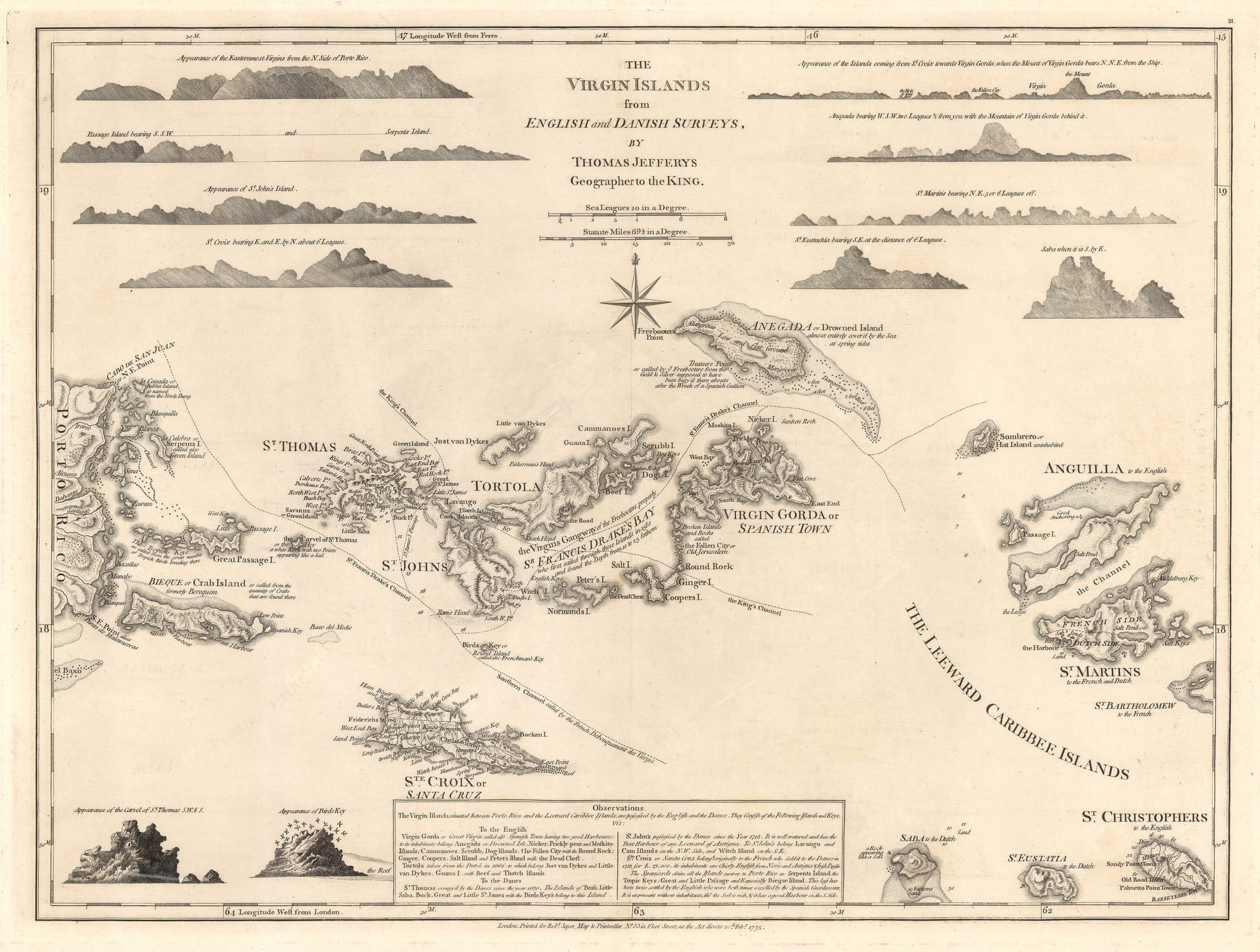
As the narrative progresses toward 1780, the text references specific coastal sightlines. The steep topography of Tortola’s spine isolated the southern plantations from the northern bays, keeping the captives trapped between the mountains and the channel.
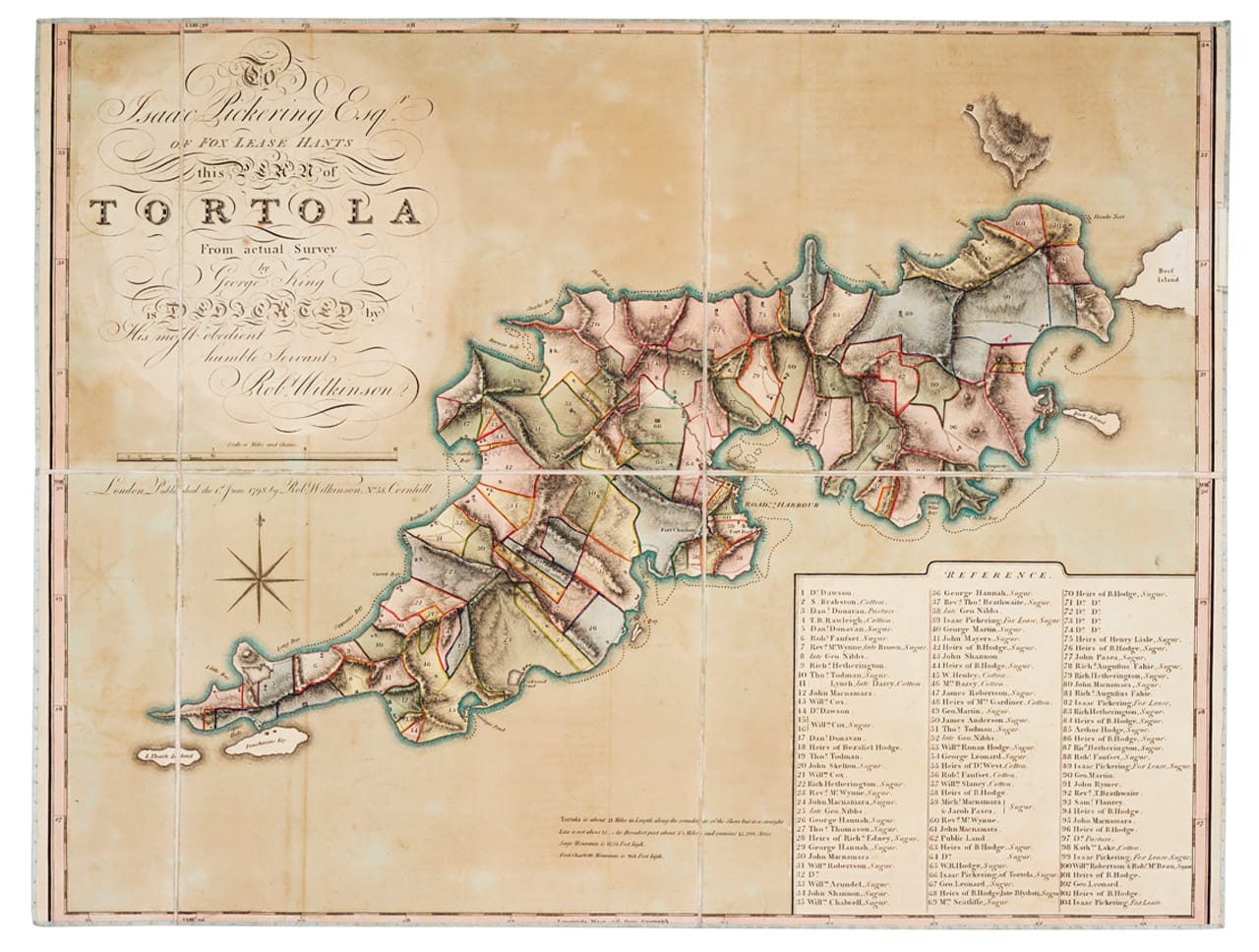
The Geography of the Whistler Estate
Based on textual references in the manuscript, the Whistler estate sat just west of Road Town and Sea Cow Bay, commanding a direct sightline across the channel toward Peter Island. While surveyed nearly two decades after the events of Part I conclude in 1780, the colonial ledgers allow us to cross-reference the topography. By matching sightlines to Peter Island and the small, unnumbered bluffs west of Road Town, we can pinpoint the margins where the English house and the Narrows stood. As a modest holding compared to the 104 plantations formalized in 1798, the estate remains an unlisted, ghost-plot on the formal ledger.
The Reality of the Narrows
Tortola had no military presence at the time. British regiments either perished on the "fever islands" or defected due to a lack of pay and supplies. Landowners like Richard Whistler operated outside the law. While Whistler experimented with tobacco and coffee, the relentless demand for sugar dictated the island's misery. As production expanded, so did the reliance on captive labor. For Ife, the island offered no medicine, no sanitation, and no shelter from the heat or the storms.
Measuring Ife's Age
For the people trapped in the canerows, standard chronological time simply didn't exist. They didn't consult an almanac; they measured their lives by natural disruption. Whether the sudden deluge that shattered the Narrows in Chapter III was the San Agustín Hurricane of late August 1772 or the 1775 "Independence" Hurricane remains a matter debate. Because she was born sometime during the Seven Years' War (according to her later in the chronicle), Ife's precise age is obscured. From Chapter III until Omotola's death, Ife could have been as young as ten or as old as fifteen. But under the grinding weight of relentless labor and poor food, a girl's body took longer to grow into womanhood. With her exact years clouded by the plantation's brutal toll, she may well have been sixteen or seventeen by the time Jamari was first brought to Tortola.
Names of Interest on the Estate
- Ife (pron. Eef-uh) – Derived from the Yoruba tongue for Love.
- Omotola – Mother to Ife. Derived from the Yoruba for A child is wealth.
- Tunde – Son to Ife. Derived from the Yoruba for Returns or Comes back.
- Auntie – A close confidante and foundational anchor to the women within the cane rows.
- Jamari – A captive brought to the island who does not speak the English tongue.
- Eban - The driver overseeing the daily labor.
- The Whistler Household – Richard Whistler (Owner of the Estate), Mrs. Whistler (Wife), Philip Whistler (Son), Margaret (Daughter-in-law).
Swahili Phrases Documented in the Chronicle
- Habari – A common greeting of the era.
- Jina lako ni nani? – What is your name?
- Wewe ni nani? – Who are you?
- Wewe ni mrembo – You are beautiful.
- Tutaenda huko – We will go there.
- Nitamuua – I will kill him.
While the vast majority of captives brought to the Leeward Islands originated from the West African coast, the passages of the 18th century occasionally cast individuals far from their geographic origins through webs of secondary trade, privateer capture, or inter-colonial transfers. The presence of Swahili marks Jamari as someone thrown far from his birthplace by the chaos of the transatlantic trade.